

How much does the perfect house cost in stunning Mexico
Buying a house in Mexico can be an exciting venture, offering a diverse range of properties across the country. According to the Federal Mortgage Society (Sociedad Hipotecaria Federal, SHF), the average house price in Mexico during the first quarter of 2024 was approximately 1,702,000 pesos, which is about USD 90,000 at an exchange rate of 18 pesos to the dollar. Here’s a detailed breakdown of the housing market and regional price variations based on the latest data:
Average and Median Prices
- Average Price: 1,702,000 pesos (~USD 90,000)
- Median Price: 1,040,595 pesos (~USD 55,000)
Regional Highlights
Baja California Sur
- Price Increase: 15.7% (Q1 2024 vs Q1 2023)
- Baja California Sur has experienced the highest increase in house prices, driven by its attractive coastal properties and increasing demand from both local and international buyers. The region's stunning scenery and luxury real estate options make it a prime location for investment.
Quintana Roo
- Price Increase: 13.4% (Q1 2024 vs Q1 2023)
- Known for its stunning beaches and popular tourist destinations like Cancun and Playa del Carmen, Quintana Roo continues to see significant real estate growth. The Mayan Train project and post-pandemic economic recovery have contributed to rising labor and material costs, further driving up housing prices.
Nayarit
- Price Increase: 12.2% (Q1 2024 vs Q1 2023)
- Nayarit, with its beautiful coastline and burgeoning tourism industry, is becoming an attractive spot for real estate investment. Similar to Quintana Roo, labor and material costs have risen, impacting overall property prices.
Oaxaca
- Price Increase: 10.7% (Q1 2024 vs Q1 2023)
- Oaxaca's rich cultural heritage and scenic landscapes contribute to its growing real estate market, appealing to both domestic and foreign buyers. The rise in construction costs post-pandemic has also influenced property values here.
Yucatán
- Price Increase: 9.6% (Q1 2024 vs Q1 2023)
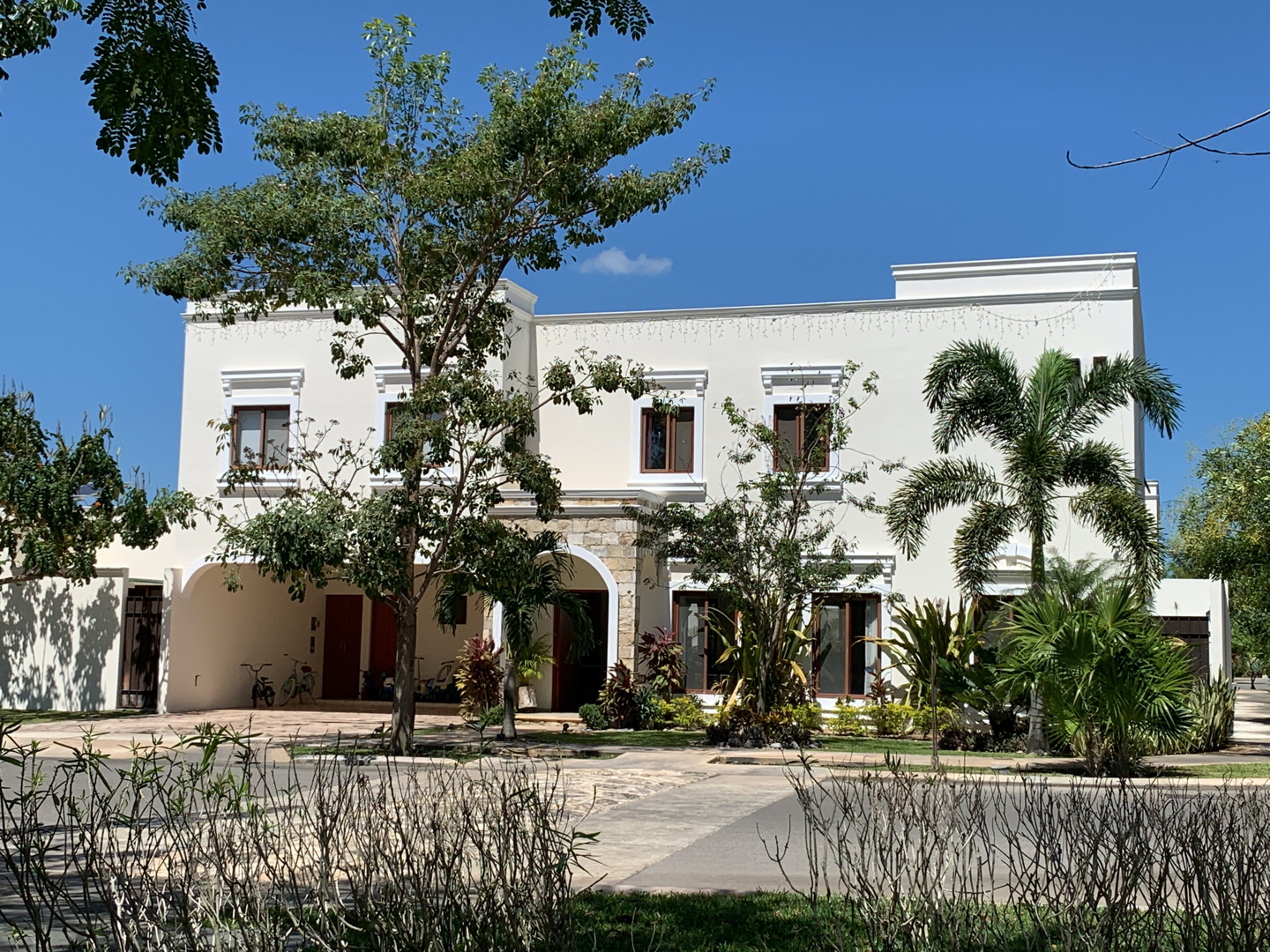
- Yucatán, especially the city of Merida, is known for its colonial architecture and affordable living, making it a popular choice for retirees and expatriates. The increasing costs of labor and materials have affected the region as well.
Additional Key Regions
Mexico City
- Price Range: $100,000 to $500,000 for a two-bedroom house.
- The capital city offers a range of properties from affordable apartments to luxurious homes, making it suitable for various budgets. Mexico City's diverse neighborhoods offer something for everyone, from bustling urban centers to quiet, residential areas.
Tulum
- Price Range: $300,000 to over $1 million for luxury villas and eco-friendly condominiums.
- Tulum is known for its pristine beaches and ancient ruins, attracting high demand from both investors and vacation home buyers. The town's eco-friendly developments and luxury resorts make it a hot spot for high-end real estate.
Cancun
- Price Range: $200,000 to $1.1 million, influenced by proximity to the beach and local amenities.
- Cancun remains a popular destination for both tourists and real estate investors, with a variety of oceanfront properties. The city's vibrant nightlife, shopping, and dining options add to its appeal.
Chelem
- Price Range: $100,000 to $300,000 for a peaceful, beachside home.
- This quiet town offers more affordable housing options compared to more tourist-centric areas, ideal for those seeking tranquility. Chelem's relaxed atmosphere and beautiful beaches attract retirees and expats looking for a serene lifestyle.
Merida
- Price Range: $100,000 to $400,000 for a historic city property.
- Known for its colonial architecture and vibrant culture, Merida offers a blend of historical charm and modern amenities. The city's affordable cost of living and rich cultural scene make it a favorite among expatriates.
Growth in New Homes
The SHF Index for new homes showed a positive variation of 10.3% in the first quarter of 2024, indicating healthy growth in the construction of new properties. This reflects strong demand for new housing across various regions, driven by factors such as economic recovery and infrastructure projects like the Mayan Train.
Additional Costs of Buying a Home
When considering the cost of buying a house in Mexico, it’s essential to account for additional expenses such as property taxes, insurance, and maintenance costs. Here are some key additional costs:
- Transfer Taxes: Typically 3-4% of the purchase price, known as "Impuesto sobre la Adquisición de Bienes Inmuebles" (IVA).
- Notary Fees: Around 1% of the purchase price, covering the cost of verifying the property title and overseeing the transaction.
- Currency Exchange Rates: If paying in US or Canadian dollars, consider the cost of currency conversion.
Rising Costs Post-Pandemic and Mayan Train Project
Since the pandemic, labor and material costs have risen significantly across Mexico. This increase is particularly notable in regions like Quintana Roo due to large infrastructure projects such as the Mayan Train. This project, aimed at boosting tourism and connectivity, has driven up demand for construction resources, thereby increasing housing prices in the area and other affected regions.
Is It Cheaper to Build a House in Mexico?
Building a house can be more affordable due to lower labor costs, though it involves navigating local building codes and regulations. However, the recent rise in labor and material costs post-pandemic and large infrastructure projects can impact the overall cost of construction.
Conclusion: Investing in Mexico’s Real Estate
The Mexican real estate market is experiencing robust growth, with significant demand driven by both local and international buyers. The average house price varies widely by region, with major metropolitan areas and popular coastal regions seeing substantial increases. By understanding the costs and working with a reputable real estate agent, you can find the perfect home in Mexico that meets your needs and budget.
Prospective investors and homebuyers can expect a promising venture in Mexico's housing market, especially in rapidly growing regions like Baja California Sur, Quintana Roo, Nayarit, Oaxaca, and Yucatán.